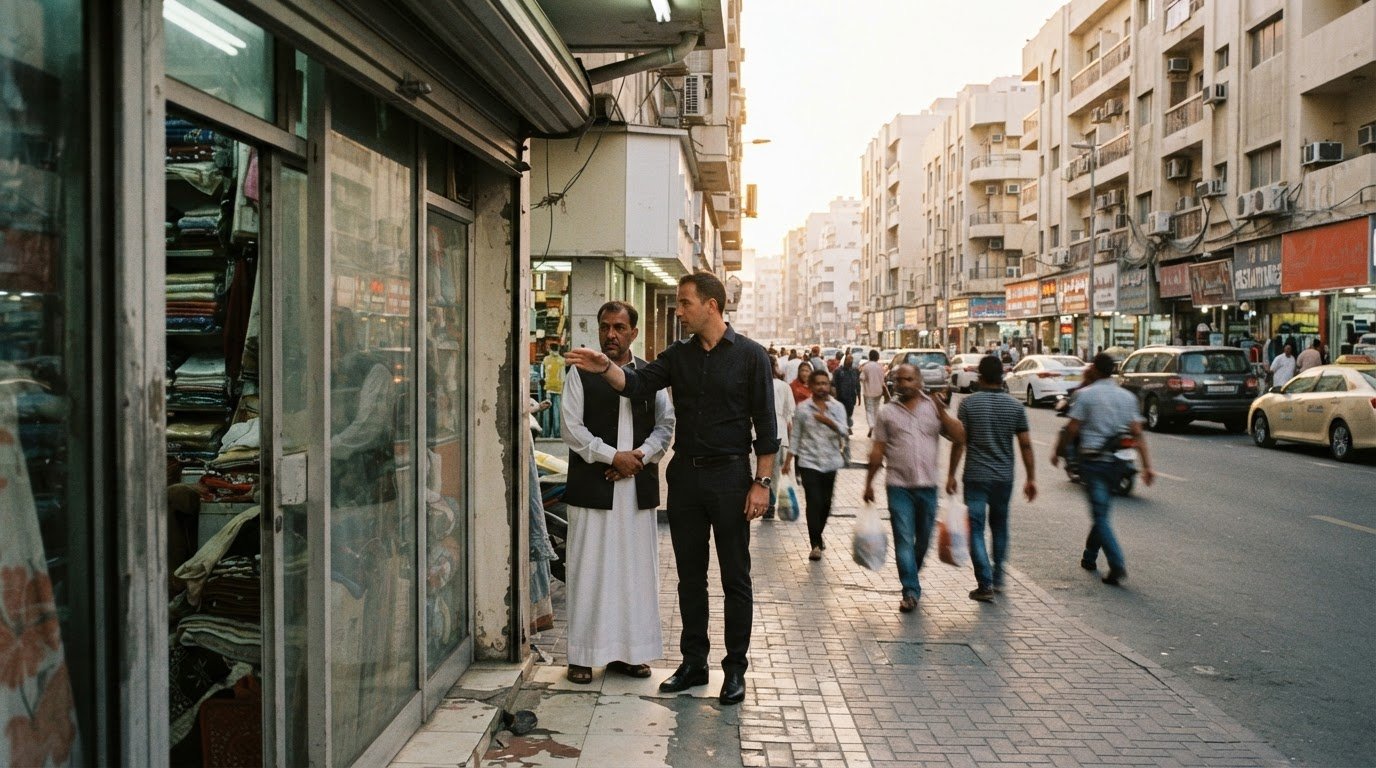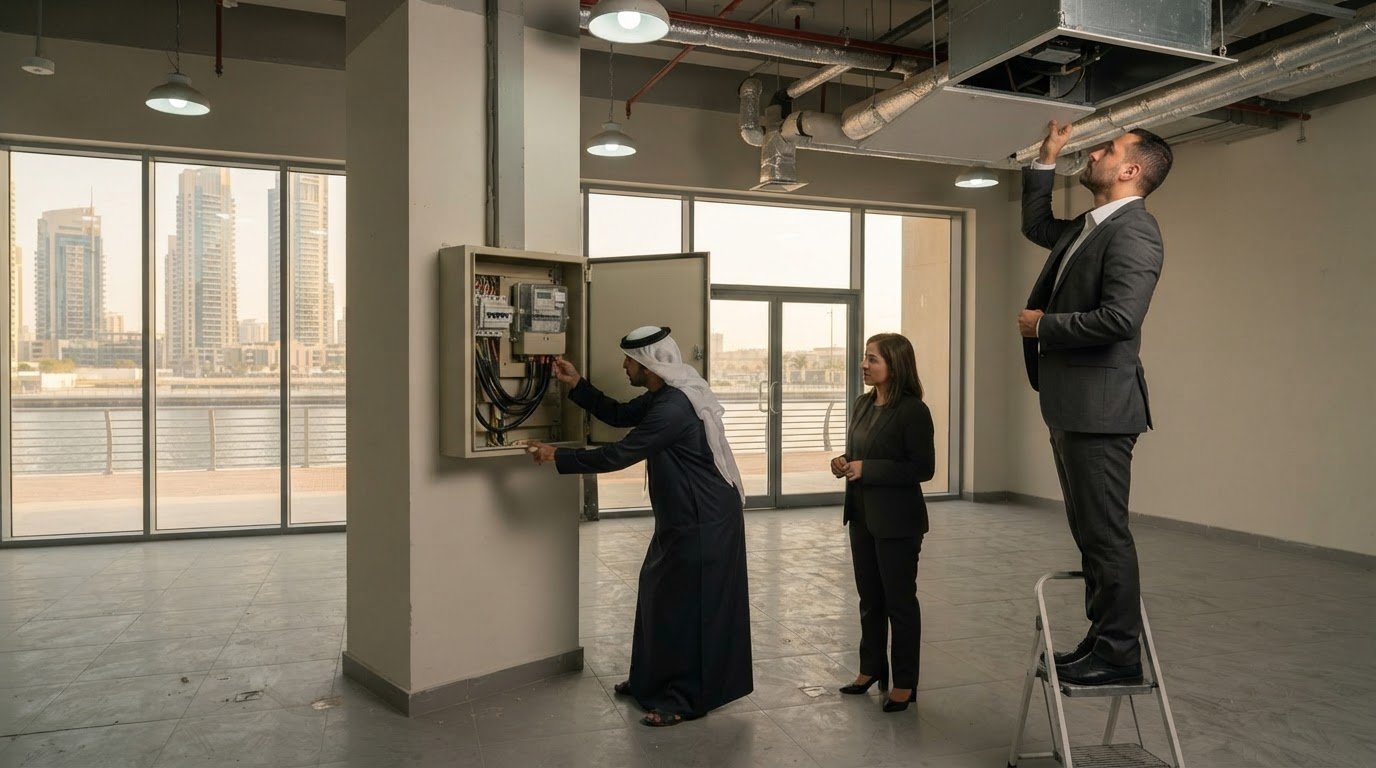
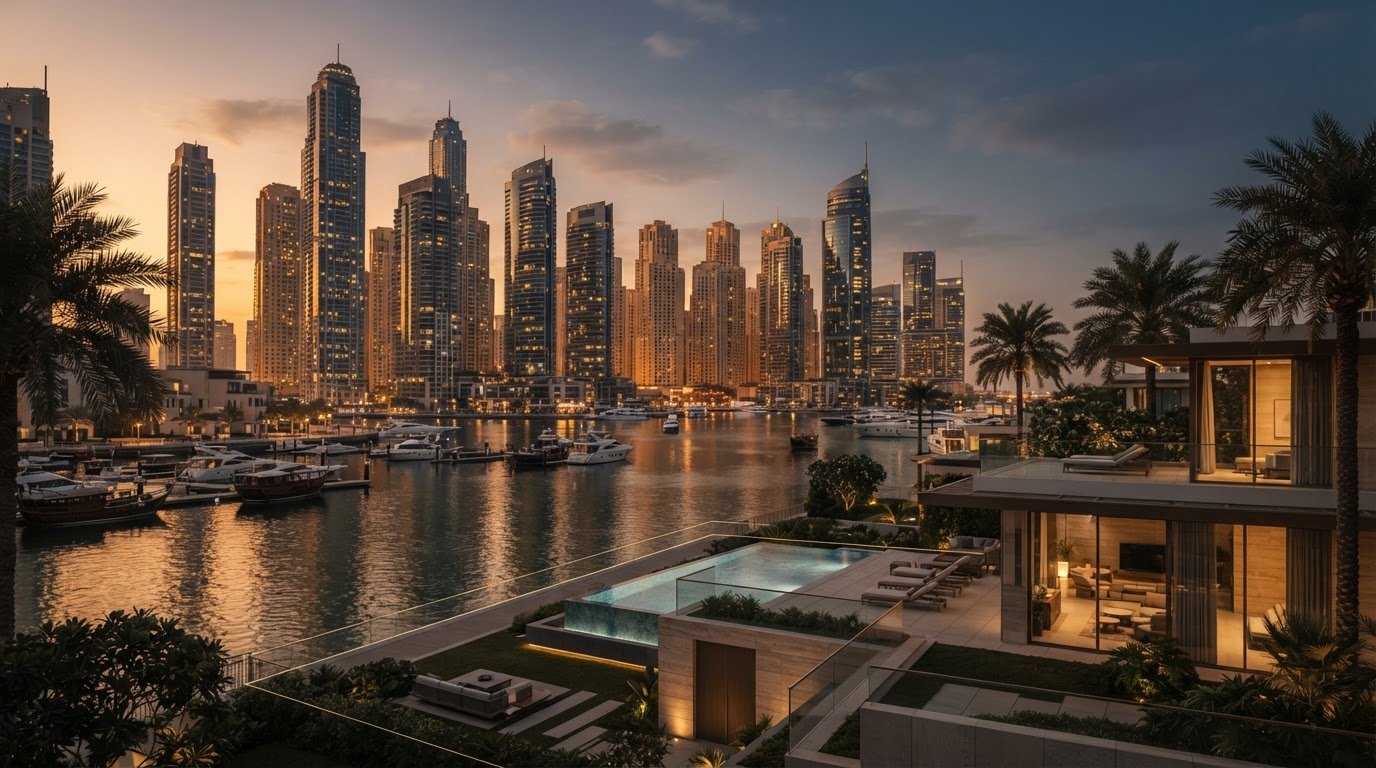
Dubai Marina is a freehold area, and foreign buyers can purchase in more than 60 designated freehold areas in Dubai. The designated freehold areas for expats in the UAE are not one nationwide list: ownership rights depend on the emirate and its designated zones. In Dubai, property options include apartments, villas and townhouses, with freehold ownership distinct from long-term leasehold or usufruct rights.
When comparing property in the UAE, check legal ownership before weighing a community’s location or investment profile. A community name alone does not establish the rights attached to each property. This guide explains the main property types, confirms Dubai Marina’s status and outlines designated areas where expatriates can buy in Dubai and Abu Dhabi.
You’ll also learn how registration affects legal ownership and how freehold differs from other property rights. This context can help you compare locations and property types before making an investment decision.
Key Takeaways
- Compare apartments, villas and townhouses by both property type and ownership rights before narrowing your options.
- Dubai Marina is freehold, but the specific property’s registered status matters more than the community name alone.
- Abu Dhabi has distinct ownership arrangements for expatriates, so the rights attached to a property can differ from Dubai’s.
- Build purchase costs into your location comparison, including transfer charges and ongoing service fees.
What are the different types of freehold properties in Dubai?
Dubai freehold ownership is available for homes and land in designated areas, but the registered property determines the rights attached. Foreign buyers can consider completed or off-plan properties, with registration central to establishing legal ownership.
Freehold Ownership in Dubai
Freehold ownership means owning a property outright in a designated area, with the right to hold, resell, rent and transfer it. Leasehold and usufruct rights are time-limited, while freehold gives the owner long-term control. Eligible property types include apartments, villas, townhouses and designated land plots.
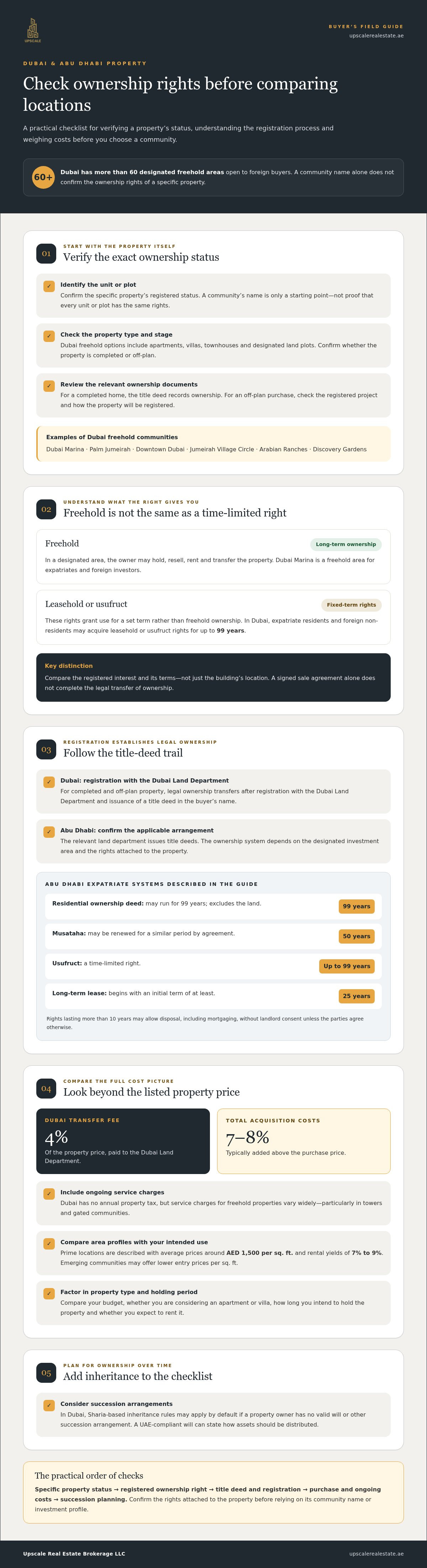
For completed and off-plan property, legal ownership transfers only after registration with the Dubai Land Department and issuance of a title deed in the buyer’s name, according to the Government of Dubai under Dubai Law No. 7 of 2006. A signed agreement alone does not complete that legal transfer.
Areas Open to Foreign Buyers
Foreign nationals may buy freehold property in Dubai’s designated zones, which include more than 60 areas. Examples of named communities include Palm Jumeirah, Downtown Dubai, Jumeirah Village Circle, Arabian Ranches and Discovery Gardens. A community’s name is a starting point, not proof that every property or plot within it has the same ownership status.
Before committing, identify the specific unit or plot, confirm whether it is completed or off-plan, and review the relevant ownership documents. For an off-plan purchase, check the registered project and how the property will be registered. For a completed home, the title deed records ownership.
In Dubai, the transaction must be registered with the Dubai Land Department, which issues the title deed in the buyer’s name. In Abu Dhabi, the relevant land department issues title deeds. The applicable ownership arrangement depends on the designated investment area and the rights attached to the property.
Key risks for expats include buying outside an eligible zone or assuming every property in a community has the same ownership status. In Dubai, inheritance also needs consideration: Sharia-based rules may apply by default if a property owner has no valid will or other succession arrangement. A UAE-compliant will can state how assets should be distributed.
Is Dubai Marina freehold or leasehold?
Dubai Marina is a freehold area where expatriates and foreign investors can own property outright. Comparing freehold ownership with leasehold rights and Abu Dhabi’s systems helps clarify what a property purchase includes.
Freehold and Leasehold Ownership
Freehold ownership gives a buyer lasting ownership of a property in a designated area, while leasehold or usufruct rights grant use for a fixed term. In Dubai, expatriate residents and foreign non-residents may acquire usufruct or leasehold rights for up to 99 years. The distinction affects how long a buyer controls the property and the rights available for transfer.
For a waterfront apartment in Dubai Marina, freehold means the owner can hold, resell and rent the property. A time-limited right ends according to its term and agreement, so compare the registered interest, not just the building’s location.
Ownership Benefits and Inheritance
Dubai freehold ownership gives owners the right to resell, rent and inherit their property. These rights can support long-term estate planning and offer more control than a fixed-term arrangement. The registered ownership type matters to both the buyer and intended heirs.
Inheritance still requires planning. For expatriate property owners without a valid will or other succession arrangement, Sharia-based inheritance rules may apply by default. A UAE-compliant will can state how assets should be distributed, making succession a practical consideration when buying property in Dubai.
Purchase and Ownership Transfer
In Dubai, the land department records the buyer’s ownership and issues the title deed. Distinguish the sale agreement from completed registration: legal ownership follows the recorded transfer, not simply the decision to purchase. This applies to transactions involving both completed and off-plan property.
Abu Dhabi uses several ownership systems for expatriates. Under Law No. 19 of 2005, residential ownership deeds may run for 99 years, but exclude the land. Musataha rights last 50 years and may be renewed for a similar period by agreement; usufruct rights may last 99 years. Long-term leases begin with an initial term of at least 25 years. Rights lasting more than 10 years may allow disposal, including mortgaging, without landlord consent unless the parties agree otherwise.
What are the best freehold areas for expats to buy property?
The right investment area depends on your budget, property type and rental strategy. When comparing apartments and villas, consider purchase costs and ongoing charges alongside location.
In Dubai, the Dubai Land Department transfer fee is 4% of the property price. Total acquisition costs typically add 7% to 8% above the purchase price. Dubai does not charge an annual property tax, but service charges for freehold properties vary widely, particularly in towers and gated communities. These costs affect the amount of capital required beyond the property price.
Different areas offer distinct price points and rental profiles. Prime locations often feature average prices around AED 1,500 per sq. ft., with rental yields of 7% to 9%. Emerging communities may offer lower entry prices per sq. ft. annually. Compare property type, intended holding period and expected rental use before choosing an area.
Property investment may also relate to UAE residency, but eligibility depends on applicable requirements. In Dubai, certain investment amounts in freehold property may qualify buyers for a Golden Visa. UAE Golden Residency may recognize one or more off-plan units worth at least AED 2,000,000 when purchased from an approved local real estate company authorized by the competent local authority. It may also recognize financed real estate purchased through an approved local bank.
For a purchase, account for the transfer fee and other acquisition costs, then complete the required registration. For an off-plan property, the developer should officially register the project, and payments should go through approved escrow accounts. These steps apply to apartments and villas alike. Comparing the process and costs helps you assess whether a listing fits your wider financial and residency plans.
Designated freehold areas
Yes, but property rights vary by emirate. Abu Dhabi allows foreigners to own real estate in designated investment areas. In Sharjah, foreign nationals and foreign-owned UAE companies may obtain usufruct rights in designated zones, subject to special approval from the Ruler of Sharjah.
Abu Dhabi’s designated areas include Yas Island, Saadiyat Island, Al Reem Island, Al Maryah Island, Lulu Island, Al Raha Beach, Sayh Al Sedairah, Al Reef and Masdar City. An April 2019 amendment to Abu Dhabi’s real estate law allowed foreigners to own real estate in investment areas. However, approximately 40% of Abu Dhabi’s residential areas remain exclusive to UAE nationals. The location therefore determines whether a foreign buyer can acquire property and what rights apply.
Dubai’s designated communities include established residential options for apartments, villas and townhouses. Ownership rules can also change plot by plot. In January 2025, Dubai announced that owners of 457 eligible private plots in Al Jaddaf and a designated section of Sheikh Zayed Road could convert their ownership status to freehold for all nationalities. The initiative covers 329 eligible plots in Al Jaddaf and 128 along Sheikh Zayed Road, between the Trade Centre Roundabout and the Water Canal.
Sharjah’s usufruct rights are not the same as freehold ownership. They may last for a maximum of 100 years, require registration, and apply only within areas designated by the government. Special approval from the Ruler of Sharjah is also required. Buyers should distinguish these rights from ownership before assessing a property’s transfer, mortgage or inheritance implications.
For a practical comparison, identify the emirate, specific community and property type first. Then check whether the listing offers freehold ownership or another right, such as usufruct. These details shape your control of the property and the nature of the investment.
Explore apartments and townhouses for sale in Dubai’s residential communities to compare available property options.
Upscale Real Estate Brokerage: Ready Property Sales
Upscale Real Estate Brokerage LLC offers Ready Property Sales for buyers considering a completed home in a designated Dubai community. This can suit expats comparing available apartments, villas or townhouses by ownership type, location and intended use. Buyers considering a property before completion can explore Off-Plan Project Sales.
For owners planning to rent out a home, Residential Leasing and Property Management can support its ongoing use. The right option depends on whether you’re buying for personal occupation, rental income or a longer-term investment strategy.
To discuss ready property options, contact Upscale Real Estate Brokerage LLC or visit upscalerealestate.ae.
Turn Your Property Criteria Into a Clear Next Step
The next decision is less about choosing a famous address and more about defining what ownership needs to achieve. Consider whether you’re buying for personal use, rental income or a longer-term portfolio. Then weigh property type, preferred community and ownership structure against that aim. This approach can help narrow the designated freehold areas for expats in the UAE to locations that fit your priorities.
Upscale Real Estate Brokerage LLC can support your comparison through Ready Property Sales and Off-Plan Project Sales. If you plan to rent out a home, Residential Leasing can also be part of the next stage. The right route depends on whether you’re seeking a completed property, considering a development before completion or planning for tenants.
Bring your location preferences and intended use into the conversation to focus the search. Contact Upscale Real Estate Brokerage LLC to discuss your property plans and take a considered next step.
Frequently Asked Questions
Can Foreigners Buy Property in Abu Dhabi?
Yes. Foreign buyers may own property in Abu Dhabi’s designated investment areas. Examples include Yas Island, Saadiyat Island, Al Reem Island, Al Maryah Island, Al Raha Beach and Masdar City. The specific ownership arrangement matters: properties may involve ownership deeds, usufruct, musataha or long-term lease rights. Each arrangement grants different rights, so compare the legal interest attached to the property, not just its location.
Can Buying Property Help Expats Get a Visa?
Property ownership may support a UAE residence application, but buying a home does not automatically grant a visa. UAE Golden Residency may recognize one or more off-plan units with a total value of at least AED 2,000,000 when purchased from an approved local real estate company authorized by the competent local authority. Eligibility and required documentation still apply, so treat residency as a separate decision from property selection.
Can Expats Buy Property in Dubai Without Residency?
Yes. Foreign nationals living outside the UAE may buy property in Dubai’s designated freehold areas. Residency and property ownership are separate matters: eligibility depends on whether the property is in an area open to foreign ownership. A non-resident considering an apartment should assess the specific property’s ownership status and ensure the transaction is registered before treating the purchase as complete.
What Costs Should Expats Expect?
Dubai buyers should budget for the 4% Dubai Land Department transfer fee and total acquisition costs typically equal to 7% to 8% above the purchase price. ft. annually. The 5% municipal housing fee applies to rental properties, not as a purchase transfer charge.
What Does Freehold Mean for Expats Buying in Dubai?
Freehold gives an expat ownership rights in an eligible property, including the ability to resell, rent and pass it to heirs. By comparison, usufruct or leasehold rights are time-limited and may run for up to 99 years in Dubai. Consider succession alongside the purchase: expatriate owners without a valid will or other arrangement may be subject to Sharia-based inheritance rules by default.
Which designated freehold areas are available to expats in Abu Dhabi?
Designated freehold areas for expats in the UAE include Abu Dhabi investment zones such as Yas Island, Saadiyat, Reem, Mariya, Lulu, Al Raha Beach, Sayh Al Sedairah, Al Reef and Masdar City. Foreign ownership applies in designated areas, not across every residential district. Abu Dhabi also allows different forms of property rights, so identify the ownership arrangement attached to the specific home.