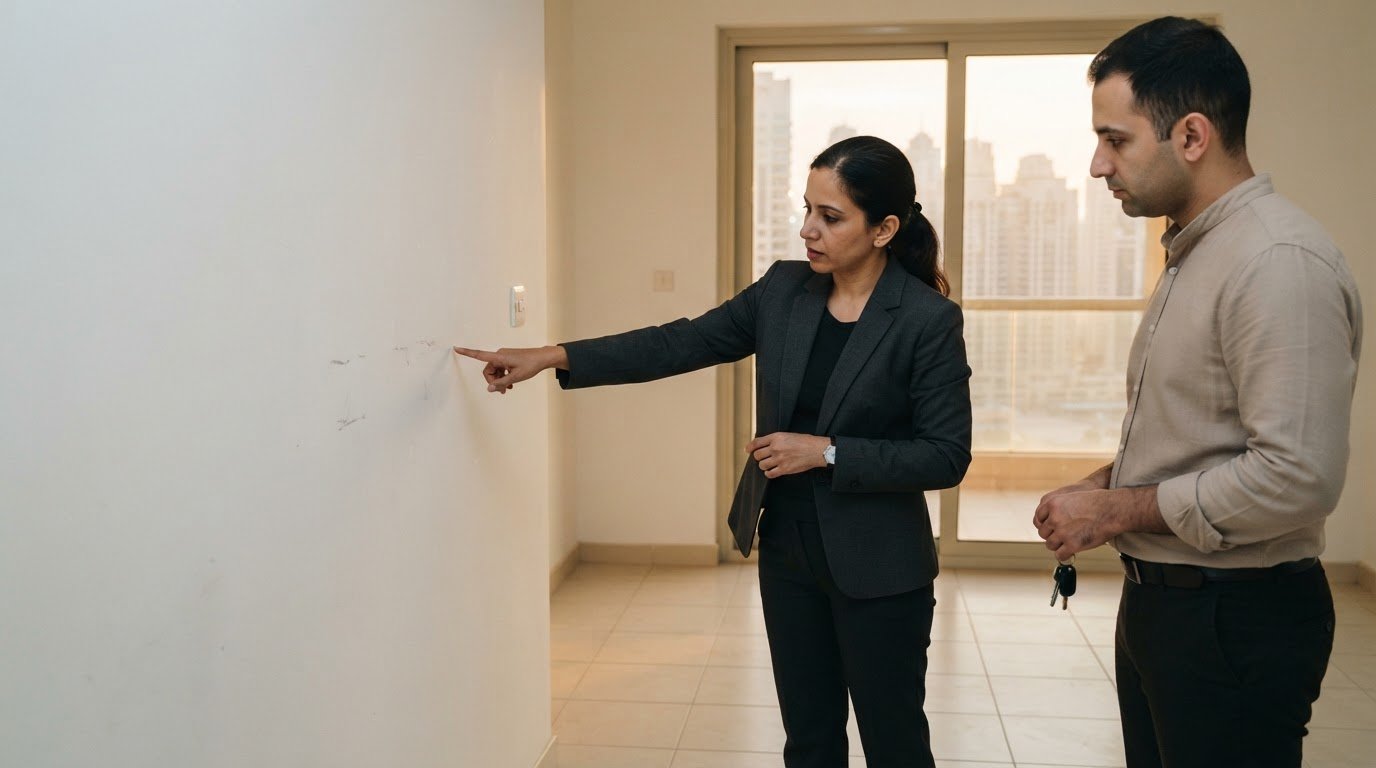
A security deposit isn’t a blank cheque for repairs. In Dubai, landlords must provide invoices or repair receipts to support deductions, and fair wear and tear, such as small paint scuffs, doesn’t count as damage. Keeping the full deposit without evidence can therefore turn a routine move-out into a dispute, one of the common problems for landlords in the UAE.
It’s understandable to want to protect your property and recover the cost of genuine damage. Clear lease terms, condition records and prompt communication can help you manage this while reducing friction over repairs, rent and other responsibilities.
This guide explains how to handle maintenance and deposits, what to do when a tenancy dispute arises, and how to weigh self-management against professional property management. It also covers the practical records and processes that can make landlord responsibilities easier to manage across the UAE.
Key Takeaways
- Set out repair responsibilities clearly in the tenancy contract, then keep maintenance requests and follow-up actions organised.
- Compare the time and oversight self-management requires with the value of a structured property management approach.
- In Dubai, rent increases at renewal require at least 90 days’ written notice, according to the Dubai Land Department.
- Keep tenancy documents and communication records orderly so you can address disagreements through the appropriate process.
1. Maintenance and repair responsibilities
Repair costs can become a source of conflict when the agreement leaves responsibilities unclear. In the UAE, landlords usually handle structural and major repairs, while tenants may be responsible for minor maintenance. Dubai contracts commonly set a limit for the small, routine repairs tenants must cover, so read that clause before approving work.
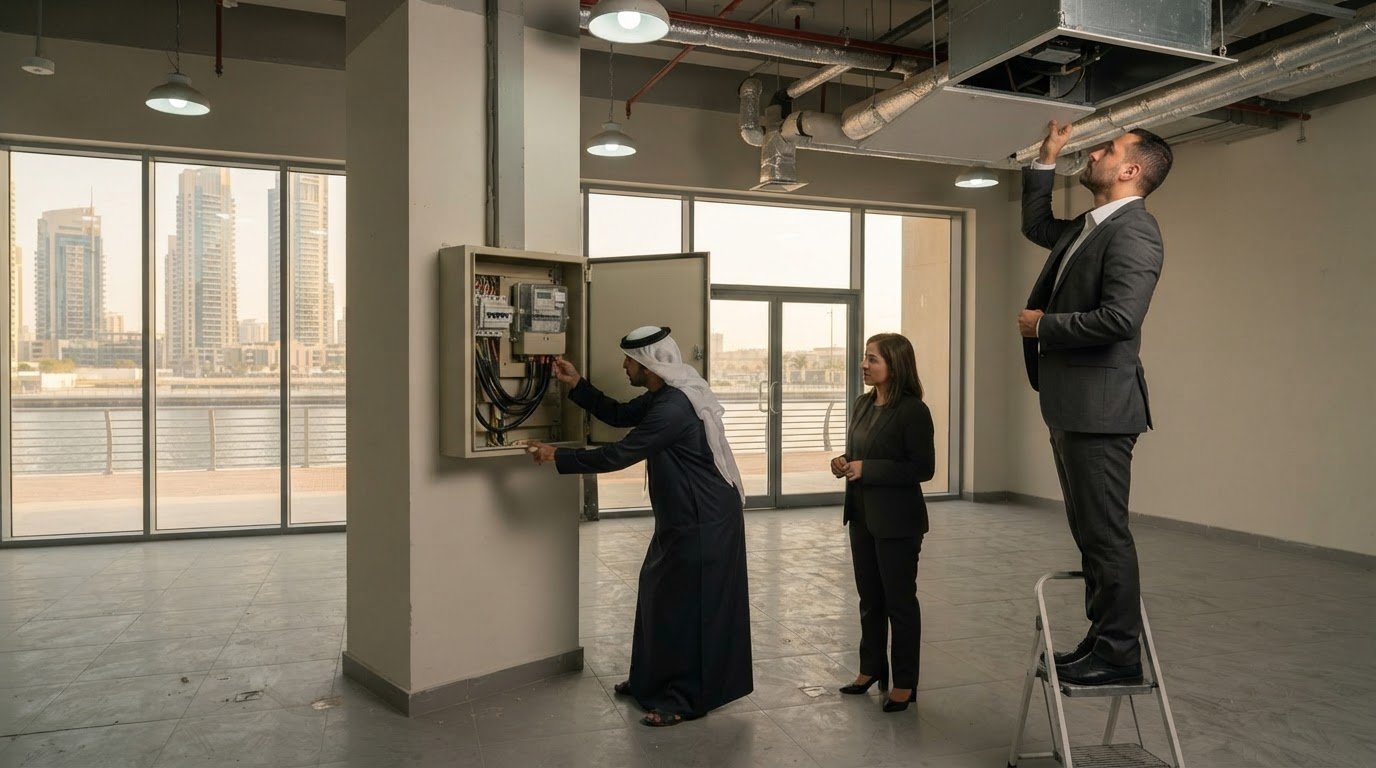
Put responsibilities in writing before the tenancy begins. Specify who pays for routine checks, faulty appliances, repairs and replacements, and how tenants should report problems. A leaking pipe, for example, may need prompt attention to prevent further property damage. Keep the tenant’s request, your response, the repair decision and receipts together in one dated record.
Use a consistent process for maintenance requests: log the issue and when it was reported, arrange an inspection, then record the work completed and any follow-up. Regular inspections can reveal small defects before they worsen. In Dubai, schedule inspections and set an annual maintenance budget to prepare for unexpected repairs. Prompt action matters in the UAE’s extreme weather, especially if cooling systems fail.
For tax, the Federal Tax Authority says businesses with taxable supplies above AED 375,000 must register for VAT. Municipality fees and service charges are separate property expenses; review the relevant statements and tenancy agreement to understand how they are allocated. Record these amounts separately from repair spending, so property costs remain visible.
Keep clear records when coordinating vendors. File the service provider’s scope of work, appointment details, invoice and completion notes with the relevant request. If an appliance fails, check whether the agreement assigns repair or replacement to the landlord or tenant before approving work. This creates a useful record if responsibility is disputed later. Keep maintenance discussions separate from rent increase correspondence so each decision is easy to track.
2. Should You Manage Your Property Yourself or Hire a Manager?
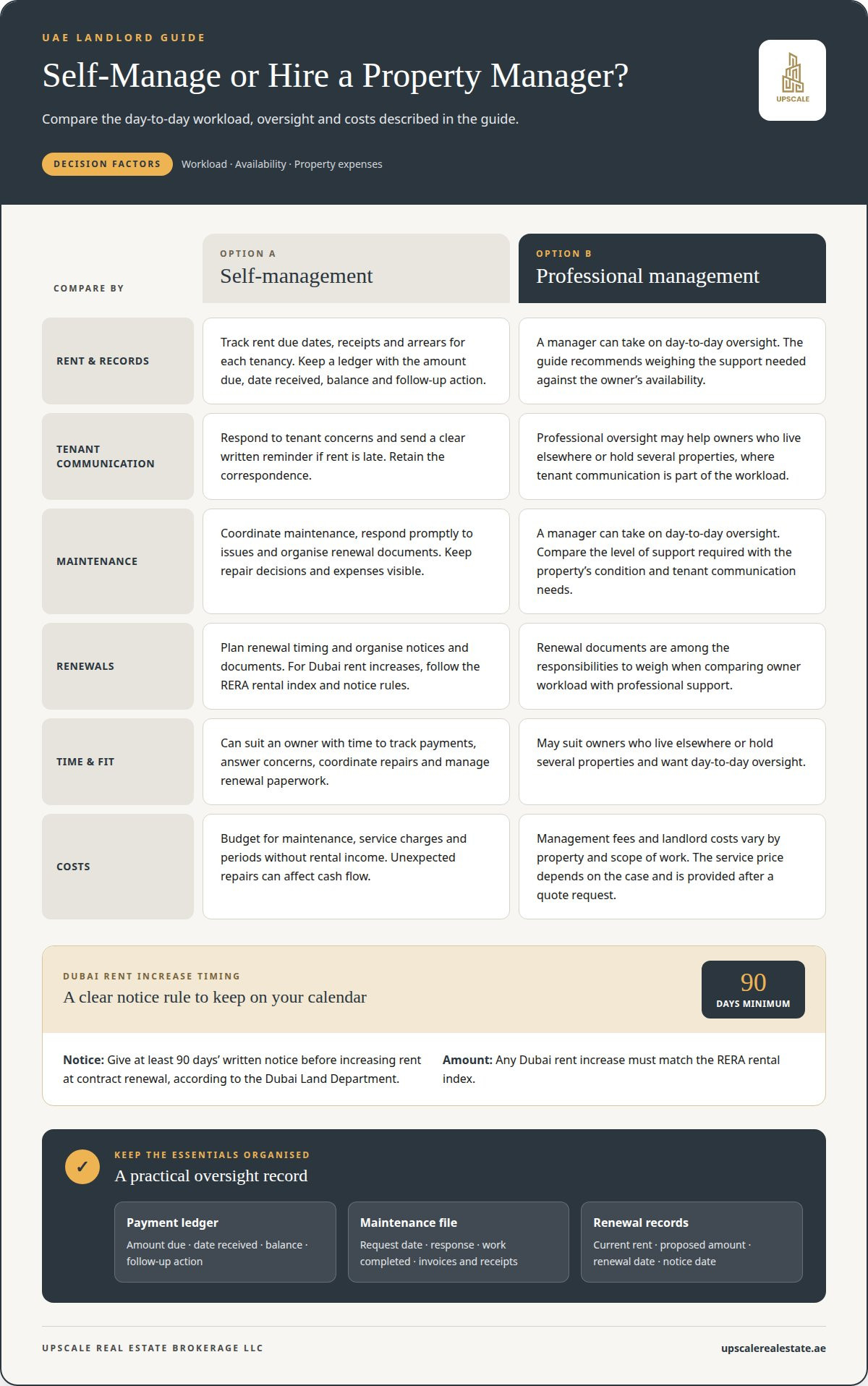
Managing rent yourself means tracking due dates, receipts and arrears for each tenancy. Keep a payment ledger showing the amount due, date received, balance and follow-up action. If payment is late, send a clear written reminder and retain the correspondence. Regular monitoring helps you understand how late rent, service charges and unexpected repairs affect cash flow.
Rent changes need careful timing. In Dubai, increases must match the RERA rental index, and landlords must give at least 90 days’ written notice before increasing rent at contract renewal, according to the Dubai Land Department. Record the current rent, proposed amount, renewal date, and notice date. In Abu Dhabi, use the relevant emirate’s tenancy rules and the signed agreement when planning a renewal.
Self-management can suit an owner with time to track payments, respond to tenant concerns, coordinate maintenance and organise renewal documents. A manager can take on day-to-day oversight, which may help owners who live elsewhere or hold several properties. Compare the required workload with your availability, the property’s condition and the level of tenant communication needed.
Typical property management fees and landlord costs vary with the property and the scope of work; the service price depends on the case and is provided after a quote request. Budget separately for property expenses such as maintenance, service charges, and periods without rental income, then compare those costs against the management support required.
To reduce vacancy, damage, and nonpayment risks, review tenant references, payment capacity, intended occupancy, and application details before agreeing to a tenancy. Keep the criteria consistent, document the decision, and market the property before the current lease ends. A professional property management approach can help owners structure these tasks and maintain clearer oversight.
3. UAE Rental Disputes: Common Issues and How to Resolve Them?
Dubai’s principal law regulating landlord-tenant relations is Law No. 26 of 2007, as amended, according to the Dubai Land Department. Abu Dhabi operates under Tenancy Law No. 20 of 2006, while rental rules and dispute procedures vary across other emirates. Apply the rules for the property’s emirate, not assumptions drawn from another real estate market.
In Dubai, most leases must be registered through Ejari, and a registered tenancy contract is usually needed for a formal complaint or enforcement. First, send a written account of the issue and the outcome you seek. Attach the relevant clause, payment record, repair correspondence or dated handover photos. A clear evidence file helps both parties discuss the same facts and may support mediation.
Rental disputes can involve rent increases, maintenance responsibilities, property condition or eviction. Keep the signed agreement, renewal notices, payment history, inspection records and messages in one file. For a handover disagreement, compare move-in and move-out photographs with the inventory, then list each disputed item separately. Dubai landlords should support deposit deductions with invoices or repair receipts; ordinary wear, such as small paint scuffs, isn’t damage.
Security deposit deductions should reflect documented damage, not routine deterioration. Lease renewal and early termination conditions depend on the tenancy contract; in the UAE, the agreement governs the tenant’s early termination conditions and notice period. Review those clauses before agreeing on a termination date or calculating outstanding rent. Keep any settlement and handover arrangements in writing.
If direct discussion doesn’t resolve a Dubai rental dispute, the Rental Dispute Centre (RDC) is the relevant forum. Dubai disputes can be filed through the Dubai REST app or in person at the RDC. Organise the registered contract, notices, receipts, photographs and communication chronologically before filing. Authorities may attempt mediation before a hearing, giving both parties an opportunity to reach a documented agreement.
4. Self-management versus professional property management
Self-management gives landlords direct control over tenant selection, communication and rental decisions. It also means handling each tenancy contract, payment record, maintenance request, renewal and handover personally. For an owner with one nearby apartment and time to manage these tasks, that oversight may be workable. The workload can grow when properties are in different communities or tenants need timely responses.
Use a practical workload test before deciding. List recurring duties: reviewing applications, tracking rent, recording agreements, arranging repairs and documenting deposit decisions. Then consider whether you can keep each process consistent during travel, busy work periods or overlapping tenancies. A missed payment reminder or unclear handover record can cause avoidable disagreements and make it harder to track the property’s performance.
Professional property management offers structured oversight for landlords who want to delegate day-to-day rental administration. It may be particularly useful when an owner has multiple units, lives away from the property or faces complex tenant coordination. Commercial properties add another layer: leases, operating needs and business-focused tenant expectations require sustained attention. Poor management of commercial units can contribute to long vacancies and revenue loss.
Delegation does not remove the landlord’s need for clear decisions. Set out the responsibilities, reporting expectations, approval process for spending, and records you expect to receive. For example, agree how rent status, tenant requests, maintenance progress, and renewal dates will be reported. Compare that visibility with the time you currently spend managing each task. If consistent oversight is difficult to maintain, explore professional property management as a way to organise the responsibilities involved in renting.
The practical choice isn’t simply control versus convenience. It’s whether your time, location, portfolio and required tenant communication allow you to manage the property reliably. If they do, keep a documented process. If they don’t, delegated management may better match the workload and help maintain continuity across tenancies.
Upscale Real Estate Brokerage LLC: Ready Property Sales
Upscale Real Estate Brokerage LLC supports landlords considering a sale or seeking structured oversight of a rental property. Its Ready Property Sales service can help when you’re weighing whether to retain or sell an owned property. Property Management suits owners who want support with ongoing rental responsibilities.
For an investment decision, weigh the property’s condition, rental performance and your longer-term plans. If you intend to keep the asset, professional management can help organise tenancy responsibilities; if you’re considering a sale, Ready Property Sales can support that next step. Residential Leasing and Off-Plan Project Sales are also available if your plans extend beyond managing an existing rental.
Contact Upscale Real Estate Brokerage LLC to discuss your property plans, or visit upscalerealestate.ae.
Build a More Deliberate Property Plan
Strong ownership decisions begin before the next tenancy or investment choice. Use your records and current priorities to decide what you want from each property: steady rental oversight, a change in strategy or a sale. This forward-looking approach can make common problems for landlords in the UAE easier to assess as part of the asset’s wider performance, rather than as isolated interruptions.
Upscale Real Estate Brokerage LLC can support your next property decision through its real estate services. Decide which direction best fits your objectives, then bring that focus to a discussion about your portfolio and plans.
Start a conversation with Upscale Real Estate Brokerage LLC about your property goals. A clear plan can help you move forward with greater confidence and a stronger sense of direction.
Frequently Asked Questions
Can a landlord keep the full security deposit without proof?
No. In Dubai, deductions should be supported by invoices or repair receipts, and fair wear and tear, such as small paint scuffs, isn’t damage. If a landlord claims a broken fixture, for example, keep the dated inspection record and repair invoice showing the work completed. Comparing move-in and move-out condition helps distinguish damage from ordinary use.
Should You Manage Your Property Yourself or Hire a Manager?
Self-management can work if you can consistently handle tenant communication, rent records, renewals and property decisions. Professional management may suit you better if you live far from the property, own multiple units or find it difficult to respond promptly. Compare the tasks you handle now with the oversight you want to retain, then decide which responsibilities to delegate.
UAE Rental Disputes: Common Issues and How to Resolve Them?
Start by identifying the exact disagreement and the contract clause or record connected to it. A written proposal can help both parties focus on a practical resolution, such as agreeing on a handover date or clarifying a disputed payment. If discussion fails, follow the dispute process in the property’s emirate. In Dubai, the Rental Dispute Centre handles unresolved rental disputes.
What is the most common landlord-tenant dispute in Dubai?
Late or missed rent payments are described as the most frequently reported landlord-tenant issue at Dubai’s Rental Dispute Centre. Landlords can reduce confusion by keeping a payment ledger with each due date, amount received, outstanding balance and tenant communication. If a payment is disputed, compare the ledger with the tenancy contract and payment receipts before sending further notices.
What are the most common problems landlords face in the UAE?
Common problems for landlords in the UAE include maintenance requests, rent delays, vacancy periods, deposit disagreements and unclear tenancy terms. These issues can overlap: an unresolved repair may affect tenant communication, while a vacancy can interrupt rental income. Track each property separately with a current tenancy record, expense log, repair history and renewal calendar to spot recurring operational concerns.
How do UAE landlords handle late rent, bounced cheques, and rent arrears?
Record missed or failed payments against the tenancy account, preserve payment evidence, and communicate the outstanding balance in writing. Landlords may send official notices or raise a dispute with the relevant authority to recover unpaid rent. In Dubai, landlords must give tenants at least 30 days to pay after formal notice before starting eviction proceedings for non-payment. Keep each notice and response on file.