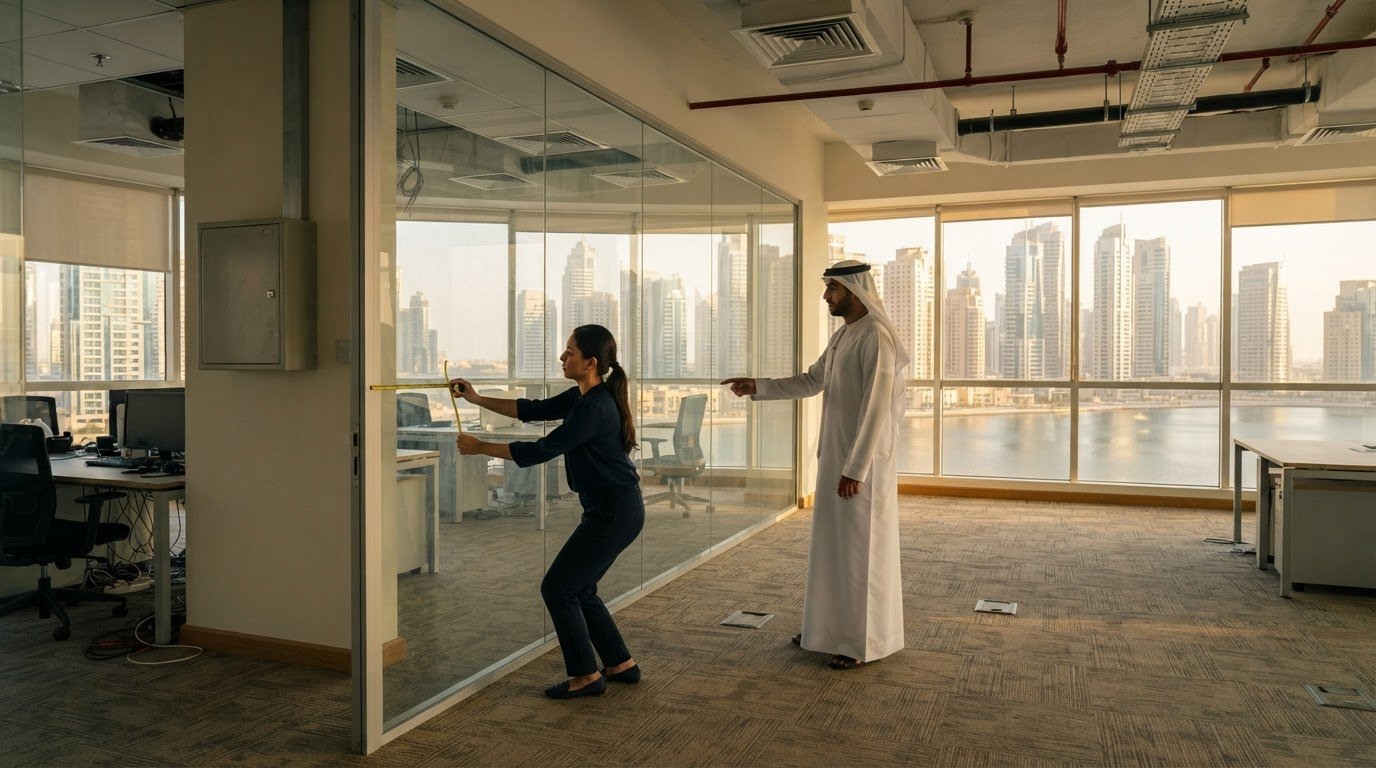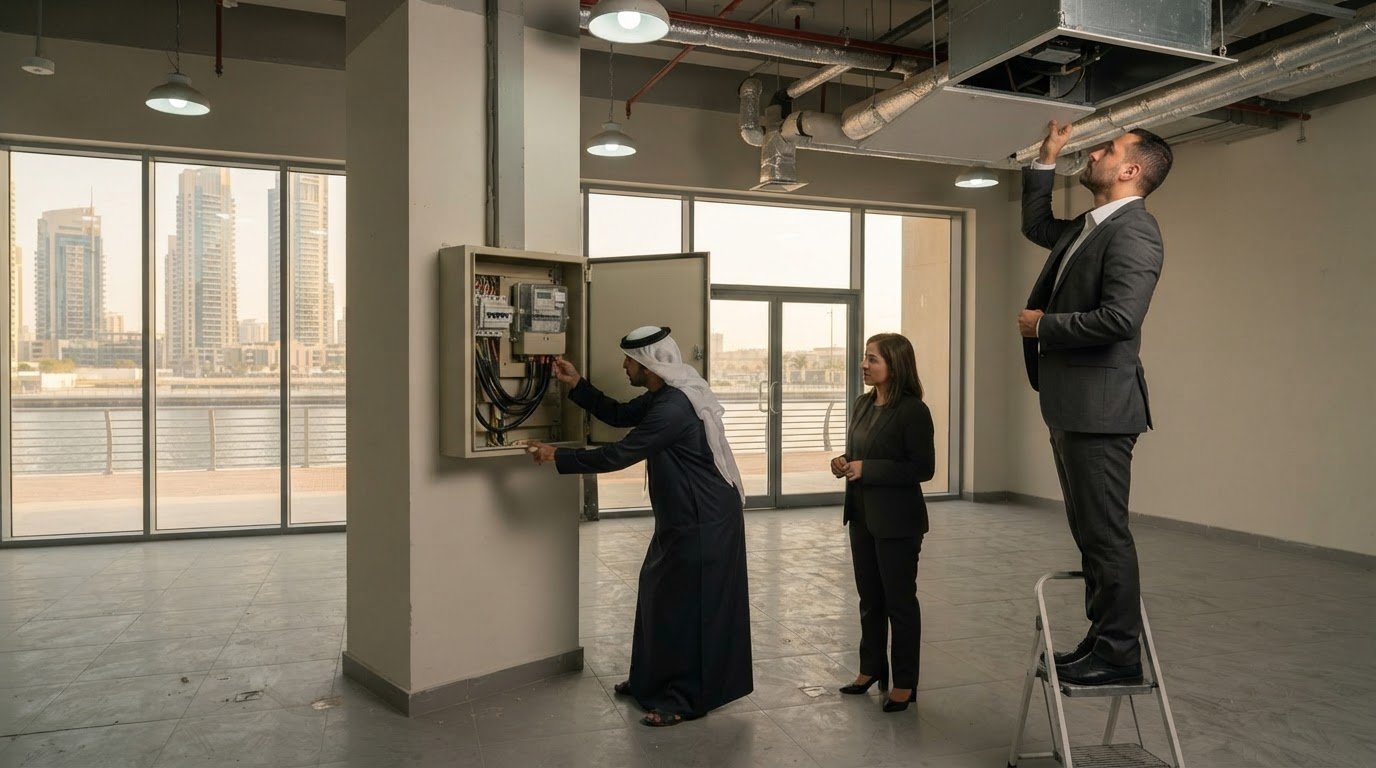

A high advertised yield can still conceal a weak commercial property investment. Commercial property investment means buying business premises, such as offices, retail units or warehouses, to earn rent and potentially benefit from changes in value. For beginners considering commercial property investment in the UAE, the key is to assess the risks behind the expected return, not just the headline rent.
It makes sense to compare commercial property with residential real estate: both can generate rental income, but their tenants, lease structures and operating requirements differ. This guide explains those differences, compares offices, retail, warehouses and hospitality assets, and outlines what to consider when assessing demand, lease quality, costs and resale potential.
Understanding each property type and its trade-offs helps you judge which options fit your investment objectives and risk tolerance.
Key Takeaways
- Distinguish commercial assets by their tenant base, lease structure and operating needs before weighing their income potential.
- Compare offices, warehouses, retail units and hotel apartments through the factors that shape demand in each sector.
- Model net operating income, not just headline rent, to see how costs and vacancy could affect returns.
- Assess ownership, permitted use, lease terms and resale prospects together to understand the risks before investing.
What Is Commercial Property Investment?
Commercial property investment means acquiring premises used by businesses to earn rent or potentially gain value. In the UAE, the asset, location, permitted use and ownership structure all shape the investment decision.
Commercial Property Types and Locations
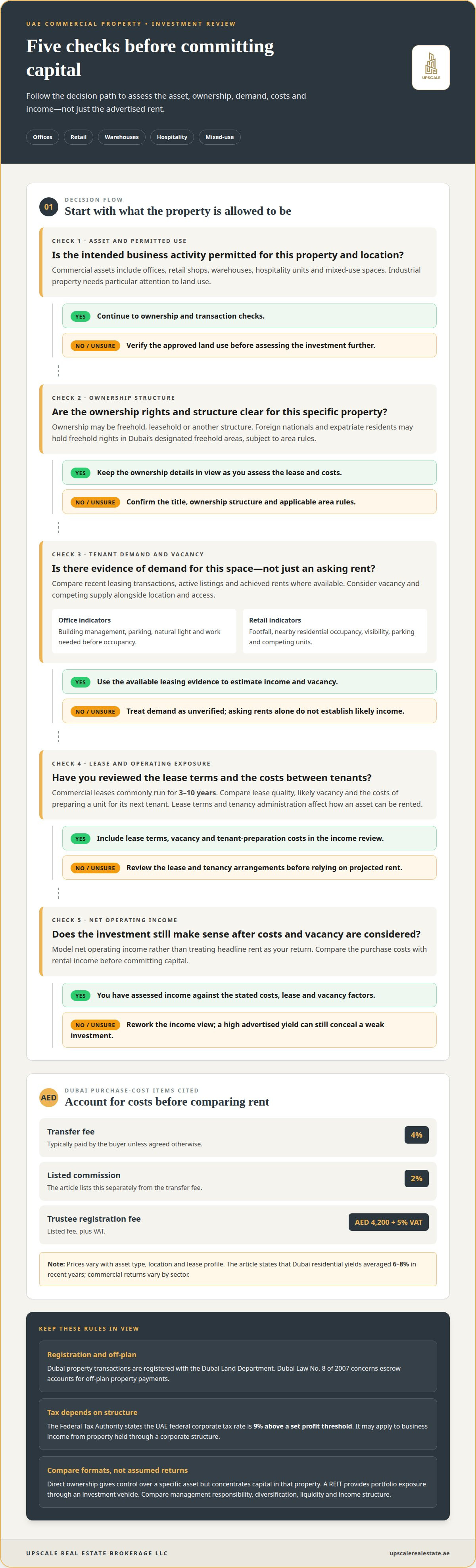
Commercial real estate includes offices, retail shops, warehouses, hospitality units and mixed-use spaces. Dubai offers these asset types, while Sharjah and Al Ain also have commercial and industrial locations. The right comparison depends on tenant demand and the space’s intended business activity. Industrial property requires particular attention to land use and whether ownership is freehold, leasehold or another structure.
Purchase Costs and Investment Steps
Dubai purchase costs can include a 4% transfer fee, typically paid by the buyer unless agreed otherwise, and a listed 2% commission. The listed trustee registration fee is AED 4,200 plus 5% VAT. Compare these costs with rental income before committing capital. Assess the asset’s permitted use, ownership, location and likely rent; then model net operating income rather than headline rent. Prices vary with asset type, location and lease profile. Dubai residential yields averaged 6-8% in recent years; commercial returns vary by sector.
Foreign Buyer Freehold Ownership
Freehold ownership gives an investor ownership rights in an eligible property, subject to the area’s rules. According to the Government of Dubai, foreign nationals and expatriate residents may hold freehold ownership rights in Dubai’s designated freehold areas under Regulation No. 3 of 2006. Confirm the property’s ownership structure and approved land use before purchase. This distinction matters especially for industrial sites, where freehold, leasehold or another structure may apply.
Ownership, Lease, and Tenancy Rules
Ownership records, lease terms and tenancy administration affect how an asset can be held and rented. Dubai property transactions are registered with the Dubai Land Department, while commercial leases commonly run for 3-10 years. Dubai Law No. 8 of 2007 concerns escrow accounts for off-plan property payments, relevant when considering an uncompleted asset. For tax, the Federal Tax Authority states the UAE federal corporate tax rate is 9% above a set profit threshold, and it may apply to business income from property held through a corporate structure. Tax treatment therefore depends on ownership and income structure.
Commercial versus residential property investment
Commercial and residential properties differ in tenant demand, income patterns and ownership exposure. Comparing them helps match an asset to your capital, objectives and tolerance for vacancy.
Commercial and Residential Investment Differences
Commercial property serves businesses, so demand can depend on location, permitted activity, access and a tenant’s operating needs. Residential property serves households and may draw from a broader pool of renters. A business tenant may sign a longer lease, while residential rental income depends on household demand and renewals. Compare net income, likely vacancy and the costs of preparing a unit for its next tenant, rather than treating advertised rent as your return.
Comparisons with Residential Property and REITs
Direct ownership of a commercial building gives you control over a specific asset, but concentrates capital in that property. Residential ownership also ties performance to an individual unit and its local tenant market. A REIT offers exposure to a portfolio through an investment vehicle, rather than direct ownership of each property. Compare management responsibility, diversification, liquidity and income structure. These differences matter more than assuming one format will always deliver better returns.
Residency eligibility is a separate consideration from investment performance. UAE property investors purchasing property worth AED 2 million or more may qualify for a long-term Golden Visa. This threshold does not make every commercial or residential purchase automatically eligible; the investment’s qualifying status matters.
Dubai’s expanding population can support interest in emerging residential communities, but growth alone doesn’t establish rental demand. Dubai passed 3.9 million people in early 2025, with projections reaching 5.8 million by 2040. The Urban Master Plan 2040’s 20-minute city concept also makes access to daily needs relevant when comparing neighborhoods.
As a beginner, assess the tenant pool, ownership commitment and income model side by side. This gives you a more grounded comparison than choosing on projected returns alone.
Performance of offices, warehouses, retail, and hotel apartments
Dubai’s commercial sectors differ in tenant demand, operating requirements and potential income. Assess location, leasing comparables, vacancy levels and competing supply together to estimate returns.
Office, Retail, and Mixed-Use Options
Offices, retail shops and mixed-use spaces serve distinct tenant needs, so asset type shapes leasing demand. For offices, assess building management, parking, natural light and the work needed before occupancy. Retail analysis should consider footfall, nearby residential occupancy, visibility, parking and competing units. Mixed-use buildings combine functions, which may broaden tenant demand, but assess each use separately.
Location, Demand, and Vacancy Assessment
Location assessment connects a property’s accessibility and surrounding businesses with likely tenant demand. Compare recent leasing transactions, active listings and achieved rents where available, then consider vacancy and competing supply. For retail, nearby residential occupancy and existing footfall help indicate customer activity. For offices, parking access and building management can affect tenant appeal. These measures put vacancy and potential rental income in context, without relying on asking rents alone.
Expected Returns and Office Listings
Dubai office and retail properties typically deliver around 8% net returns, while retail returns can range from 5% to 7%, depending on location and tenant quality. Industrial warehouses generate approximately 10% net returns, and hotel apartments typically yield 7% to 9%. Treat these sector figures as comparisons, then model a specific property’s income and operating costs.
Office listings also vary by completion timing and specification. A Business Bay office listing gives a Q2 2026 completion date. More than 1,400 office buildings are being built in Dubai and are expected to be ready between 2025 and 2028, making competing supply relevant to leasing assumptions. Dubai’s Net-Zero goal for 2050 also provides context for considering building efficiency and future operating costs, without assuming a particular asset’s performance.
For any listing, compare achieved rents, vacancy and competing supply before buying or leasing. These checks help distinguish projected income from demand supported by the local market.
Commercial property investment risks
A projected rental yield can obscure risks that affect actual property income in the UAE. Vacancy, tenant reliability, service charges, fit-out costs and lease terms all affect net returns. Model income after operating costs, not headline rent. If financing the purchase, test the figures against different interest-rate and vacancy scenarios. This shows how changes in either factor could affect cash flow and the investment’s resilience.
Tenant risk extends beyond an empty unit. A business may fall behind on rent, while renewal rights or break options in a lease can alter expected income. For an occupied property, review payment arrangements, arrears, the deposit held, renewal rights and break options. Compare lease quality with tenant demand in the area. A long lease does not eliminate risk if the tenant’s business weakens or the space proves difficult to re-let.
Permitted use and location create further exposure. Confirm the property’s approved business activity, building rules, access and suitability for intended tenants. An industrial unit in a free zone may have a narrower buyer or tenant pool than a flexible commercial space. Specialist-use premises carry concentration risk: if a tenant leaves, conversion for another activity may take time and capital. Nearby comparable businesses can help indicate whether demand supports that specific use.
Off-plan purchases bring a different risk profile. Include construction delays, competing inventory, uncertain service charges and the wait for rental income in your investment model. Assess the developer’s delivery record, the project’s commercial rationale and whether a future tenant market is visible. For completed property, review ownership status, title documents, outstanding charges and transaction costs. These checks clarify your obligations before committing capital.
Assess tenant demand, lease quality and exit liquidity together, rather than treating any one measure as decisive. For investors planning an exit or acquiring assets discreetly, private matching services like DealDeed connect motivated sellers with vetted buyers across the Dubai property market. Compare realistic achieved rents, vacancy and competing supply, then calculate net operating income. This gives you a more grounded view of whether the expected rental yield compensates for operational and resale risks.
For a considered review of how these factors affect an investment decision, request investment advisory.
Upscale Real Estate Brokerage: Commercial Leasing
Upscale Real Estate Brokerage LLC supports investors through commercial leasing and investment advisory. Consider commercial leasing when assessing business premises or how a suitable tenant may fit an asset’s intended use. Investment advisory can help frame decisions around demand, lease quality and potential risks.
For investors considering direct ownership, ready property sales and off-plan project sales offer additional routes to explore. The right option depends on your objectives, preferred asset type and timing. Comparing these factors with the property’s likely income profile can help keep decisions grounded in your investment strategy.
Contact Upscale Real Estate Brokerage LLC to discuss your commercial property investment requirements.
Shape Your Next Investment Decision
For beginners considering commercial property investment in the UAE, build a strategy around your objectives, capital and preferred level of involvement. Decide what role an asset should play in your portfolio, then focus on the tenant profile, income model and ownership route that support that purpose. A clear rationale helps keep decisions grounded as opportunities change.
Upscale Real Estate Brokerage offers commercial leasing and investment advisory for investors assessing business premises and investment choices. Ready property sales and off-plan project sales provide additional routes to consider, while residential leasing may suit a separate residential strategy. Each offering addresses a different property need, so choose the path that aligns with your intended asset and investment approach.
Take the next step with a focused discussion about your objectives and property requirements. Contact Upscale Real Estate Brokerage LLC to explore a considered way forward and move ahead with clarity.
Frequently Asked Questions
What should I check before buying?
For commercial property investment for beginners in the UAE, start by testing whether the income case holds up under closer review. Compare lease terms with rent payment records, then examine the unit’s condition and likely maintenance needs. Use achieved rents for comparable spaces where available, rather than relying only on asking rents. Model operating expenses, financing costs and vacancy together to understand their effect on cash flow.
Which commercial asset class is performing the best?
Industrial warehouses show the highest indicative net returns among the listed Dubai sectors, at approximately 10%. That figure alone doesn’t establish the best investment for every buyer. Performance also depends on tenant demand, suitability for the intended activity, operating costs and alternative tenant availability. Compare those factors with expected net income and resale prospects before choosing an asset class.
What types of commercial property can beginners invest in across the UAE?
Beginners can consider offices, retail shops, warehouses, hospitality units and mixed-use commercial spaces. An office investment depends on demand from businesses seeking workspace, while a warehouse’s appeal is tied to its industrial use and access. Retail units rely on customer activity around the premises. Compare each type’s tenant profile and operating requirements across the UAE to identify a suitable investment model.
What is the minimum investment needed to buy commercial property in the UAE?
There is no single minimum investment that applies to every UAE commercial property purchase. Required capital depends on the property’s asking price, ownership structure and transaction costs. Buyers should also consider initial operating needs, such as preparing a vacant unit for occupancy. Direct ownership commits capital to a specific asset, while a REIT offers another way to gain property exposure.
What fees and ongoing costs apply when buying UAE commercial property?
The Dubai Land Department charges a standard 4% transfer fee on the purchase price, typically paid by the buyer unless otherwise agreed. A listed real estate commission is 2% of property value. After purchase, account for service charges, fit-out work and vacancy periods, which can reduce net income even when rent is agreed.
Can foreign investors buy commercial property in the UAE, and where are freehold areas?
Foreign nationals and expatriate residents may hold freehold ownership rights in Dubai’s designated freehold areas under Regulation No. 3 of 2006. This right applies to designated areas, not every commercial property across the UAE. For commercial property investment for beginners in the UAE, distinguish freehold ownership from leasehold or other structures, particularly for industrial property, where land use and ownership form can shape the investment.