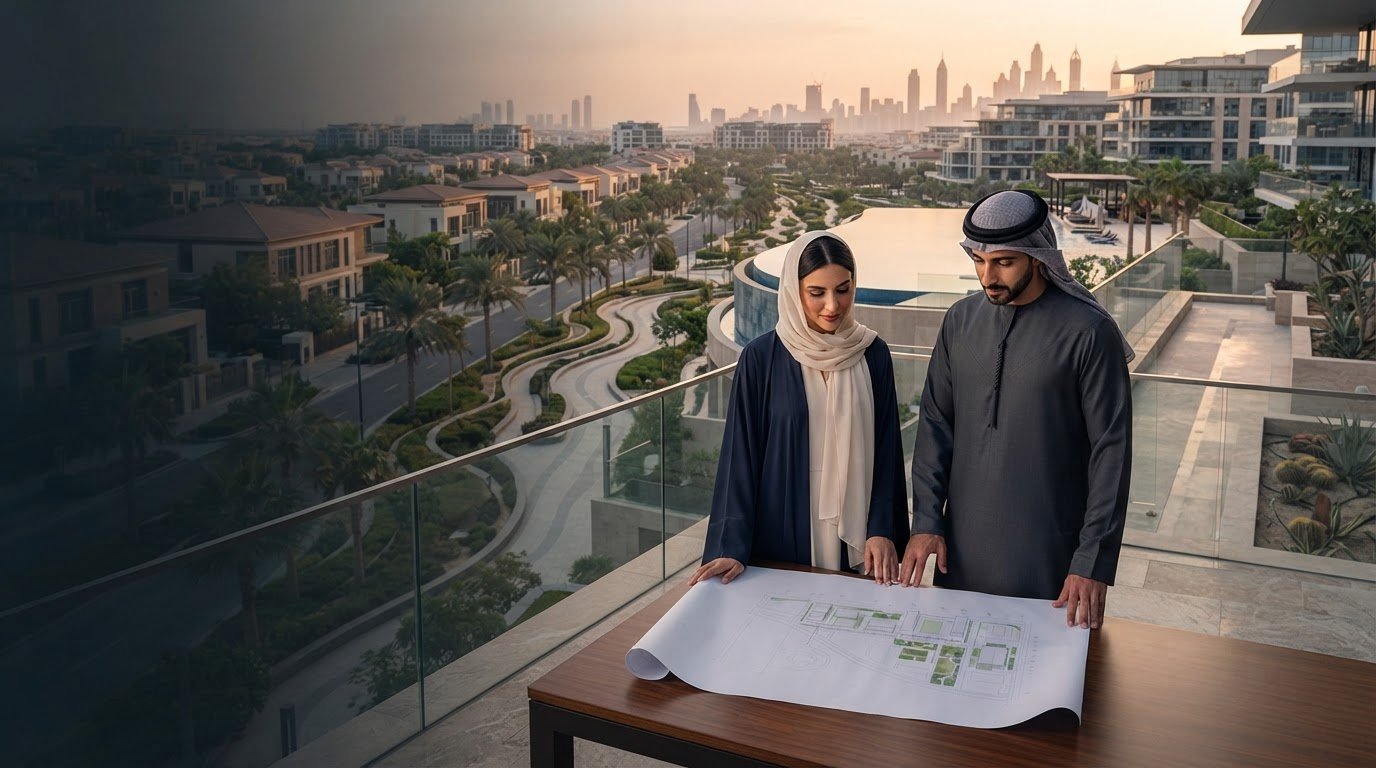

In a market where construction timelines often shift and "projected" yields remain hypothetical, the only asset that offers absolute financial visibility is the one you can physically inspect today. While off-plan projects often dominate the headlines, ready property sales provide a unique level of security for investors who prioritize immediate liquidity over speculative growth. You likely recognize that market volatility and hidden maintenance costs can quickly erode your margins if the entry price isn't grounded in verifiable reality.
We understand the frustration caused by a lack of transparency in secondary market transactions. It's difficult to commit capital when service charges are opaque or when the true condition of a building is masked by clever marketing. This guide bridges that gap. You'll discover how to navigate ready property acquisitions with professional transparency and data-driven investment modeling. We will outline the exact steps to secure immediate rental yields, eliminate the risk of construction delays, and obtain a transparent valuation of your physical assets within the UAE's evolving regulatory framework. By moving from a speculative mindset to a strategic advisory approach, you can ensure your portfolio remains resilient and cash-flow positive from day one.
Key Takeaways
- Learn why physically verified assets offer the most stable path to immediate liquidity and risk-free possession in the 2026 market.
- Master the mechanics of ready property sales to eliminate construction delay risks and secure immediate rental yields from day one.
- Discover how to calculate precise net ROI by accurately factoring in mandatory service charges and maintenance funds into your financial modeling.
- Navigate the five-step acquisition process with confidence, ensuring full compliance with RERA regulations from the initial offer to Title Deed issuance.
- Understand how professional property management and strategic advisory protect your asset's appreciation through complex market cycles.
Understanding Ready Property Sales in the National Market
Ready property sales represent the acquisition of completed, physically verified assets that are fully prepared for an immediate title transfer. Unlike the speculative nature of off-plan contracts, these transactions involve a finished structure that has already received its building completion certificate. As we navigate the 2026 market, many institutional and private investors are shifting their focus toward these immediate assets to anchor their portfolios against global volatility. This transition reflects a desire for stability; a grounded asset provides a level of certainty that future projections simply cannot match.
A core component of Understanding Real Estate Investment involves recognizing the difference between developer-held ready stock and secondary market resales. Developer-held stock consists of newly finished units that have never been occupied, often coming with limited warranties from the builder. Secondary market sales involve units owned by individual sellers. While these may offer more established community vibes, they require a more meticulous inspection process. Both categories fall under the umbrella of ready property, yet they demand different due diligence strategies.
Investors typically choose ready stock for three primary reasons:
- Verified Quality: You can inspect the actual finishes and structural integrity rather than relying on a showroom model.
- Operational Amenities: The community infrastructure, such as gyms, parks, and retail outlets, is already in place.
- Instant Liquidity: The asset can be resold or leased immediately without waiting for a future completion date.
Tangibility and Risk Mitigation
The most significant advantage of this asset class is the total elimination of construction and handover delays. In fast-moving markets, these delays can stretch for months, tying up capital without generating a return. When you opt for a ready unit, you gain the psychological and financial security of a physical walk-through. You aren't buying a floor plan; you're buying a reality. This allows you to verify the build quality, check the efficiency of the cooling systems, and assess the maturity of the surrounding community before a single dirham is transferred.
Immediate Utility and Revenue Generation
Ready units are the primary choice for those who require immediate revenue. Whether you're pursuing a long-term leasing strategy or looking for a primary residence, the "move-in ready" status carries a significant premium. Tenants in the UAE often prefer established assets because the lifestyle amenities are already operational. For an investor, this means your rental income in AED can begin almost immediately after the Title Deed is issued. This consistent cash flow is vital for offsetting mortgage payments or financing costs, providing a self-sustaining investment from day one.
Ready vs. Off-Plan: A Strategic Comparison for 2026
Investors frequently weigh the lower entry barriers of off-plan projects against the immediate stability of ready property sales. While off-plan units offer staged payment plans, they carry an inherent opportunity cost where your capital remains locked without yield for the duration of construction. In contrast, completed assets require a higher initial capital outlay but eliminate the wait, allowing for immediate residential real estate financial analysis based on tangible market data rather than future projections. This distinction is vital for those who prioritize cash flow over speculative gains.
The choice between these asset types often comes down to your specific liquidity needs and risk tolerance. Off-plan relies on the market being favorable at the time of handover, which could be several years away. Ready assets provide a "known quantity" where the community, facilities, and tenant demand are already established. This makes the valuation process more transparent and grounded in current reality, providing a steady hand for your broader investment strategy.
Financial Flexibility and Capital Outlay
Acquiring a ready unit typically demands a larger initial down payment, often 20% to 25% of the purchase price for residents and slightly higher for non-residents, plus associated transfer fees in AED. While this requires more liquid capital upfront, it allows you to bypass the uncertainty of future interest rates or market conditions at a distant handover date. Traditional mortgage financing for completed homes is also more straightforward; banks provide clear valuations based on existing structures rather than hypothetical plans. This creates a distinct liquidity advantage for active portfolios, as ready assets can be liquidated or refinanced much faster than an off-plan contract. If you're looking to balance your holdings with tangible assets, you can explore our current ready property sales listings to find high-yield opportunities.
Market Sentiment and Timing
The 2026 market shows a clear preference for immediate housing as the national economy continues its path of stable growth. During cycles where the demand for "move-in ready" homes outpaces the supply of new completions, owners of ready assets can capitalize on rising rents immediately. Buying a completed unit also mitigates the risk of a market shift during a long construction period. You aren't gambling on what a neighborhood might become; you're investing in a community that has already proven its value and attracted a resident base. This approach prioritizes long-term partnership with the asset over short-term speculative volatility.
Calculating Net Yields and Appreciation in Ready Real Estate
Successful real estate investment requires moving beyond the surface-level gross figures often cited in sales brochures. While ready property sales offer immediate income potential, the true measure of an asset's performance is its net yield. This calculation accounts for the actual cash flow remaining after all operational expenses are settled. By focusing on net figures, you gain a transparent view of your investment's health, ensuring your capital is working as efficiently as possible. This methodical approach is what separates a speculative buyer from a strategic investor.
The Net Yield Formula for Investors
To arrive at a realistic net yield, you must subtract mandatory costs from the annual rental income in AED. These expenses include service charges paid to the Owners' Association, internal maintenance reserve funds, and professional property management fees. In the UAE market, established communities provide a significant advantage for this type of modeling. They offer years of historical data regarding service charge fluctuations and occupancy trends. This visibility allows for more accurate long-term projections compared to new developments where operational costs haven't yet stabilized. A 6% net yield often beats an 8% gross yield when the former is backed by lower maintenance overheads and higher occupancy rates.
Appreciation Drivers in Mature Communities
Capital appreciation in the ready market is driven by scarcity and infrastructure maturity rather than speculative hype. In high-demand districts, the limited supply of completed units creates a price floor that protects your investment during broader market corrections. When a community reaches maturity, meaning schools, parks, and transport links are fully operational, the asset's value often reflects its specific local utility. You aren't waiting for a neighborhood to "arrive"; you're investing in a location that has already proven its desirability.
Analyzing historical performance data within these micro-markets provides a grounded basis for predicting future price movements. It's not just about the building itself but the ecosystem surrounding it. Professional management plays a critical role in this value preservation. A building that is meticulously maintained doesn't just attract higher-quality tenants; it preserves its physical integrity and aesthetic appeal. This ensures the property remains a competitive asset in the resale market, allowing you to capture maximum appreciation when you decide to exit. Utilizing these modeling techniques ensures your entry into ready property sales is based on verified financial logic rather than optimistic projections.
Navigating the Acquisition Process and Regulatory Framework
The regulatory landscape in the United Arab Emirates provides a robust framework that protects all parties involved in ready property sales. Central to this are the relevant national land departments and real estate regulatory authorities, which enforce strict protocols to ensure every transaction is grounded in legal certainty. This structured environment eliminates the ambiguity often found in secondary markets, providing a transparent path for both domestic and international investors. Understanding these protocols is the first step toward a secure and accountable acquisition.
The transition from initial interest to full ownership follows a methodical five-step path. It begins with a formal offer and the signing of the Memorandum of Understanding (MOU), also known as Form F. This document outlines the terms, conditions, and timelines of the sale. Following this, a professional valuation is typically conducted to ensure the purchase price aligns with current market data. The third step involves obtaining a No Objection Certificate (NOC) from the master developer, confirming that all service charges and liabilities are settled. Once financing is finalized or funds are prepared, the final step is the official transfer of ownership at a designated land department office, where the new Title Deed is issued.
Legal Protections for Buyers and Sellers
Accountability in the secondary market depends heavily on the professional standards of your advisor. Working with nationally licensed brokers, such as Upscale Real Estate Brokerage LLC (License Number 23084), ensures that your transaction adheres to national regulations and ethical codes. Standardized contracts provide a transparent baseline for negotiations, protecting your interests through every phase of the deal. Additionally, the use of secure manager's cheques and specialized escrow protocols adds a layer of safety for your capital during the transfer process. This level of oversight is designed to build a sense of long-term partnership and security.
The Role of Valuation and Inspection
A physical asset requires physical verification. Even within premium communities, a technical snagging inspection is vital to identify potential maintenance issues before the final transfer. This due diligence ensures you don't inherit hidden repair costs that could erode your net yield. Simultaneously, a formal valuation provides a clear price floor, protecting you from overextending your capital based on market hype. Clearing the NOC is the final hurdle, ensuring the property is free of any outstanding dues to the developer or owners' association. If you are ready to begin this process with a trusted partner, you can schedule a strategic consultation with our advisory team to review available inventory.
Maximizing Asset Value with Upscale Real Estate Advisory
The acquisition of a physical asset is only the first phase of a successful investment journey. Once the Title Deed is secured through ready property sales, the focus shifts toward operational efficiency and value preservation. Transitioning from a buyer to a landlord requires a shift in mindset from transaction to management. Upscale Real Estate Brokerage LLC provides a steady hand during this phase, ensuring your asset remains a high-performing component of your broader financial strategy. This long-term partnership approach ensures that your interests are protected well beyond the initial handover.
Strategic portfolio management involves more than just collecting rent. It requires a balanced approach that pairs the immediate cash flow of ready units with the long-term capital growth of strategic off-plan projects. We use data-backed modeling to help you navigate complex market cycles, providing the visibility needed to make informed decisions about when to hold or exit an asset. By treating real estate as a sophisticated financial instrument, we help you achieve a level of portfolio resilience that isn't possible through speculative buying alone.
Integrated Property Management Solutions
Protecting your net yield requires meticulous oversight of daily operations. Our management solutions handle everything from tenant screening to the timely payment of service charges in AED. This is particularly vital for international investors who need reliable, on-the-ground representation to manage maintenance and tenant relations. We provide regular reporting and transparent visibility, ensuring you remain informed about your property's condition and financial performance without needing to be physically present. Our goal is to maintain 100% occupancy rates while preserving the physical integrity of the unit to ensure long-term appreciation.
Strategic Advisory for Long-Term Growth
Our advisory services extend beyond public listings. We provide access to exclusive portfolios and ready property sales opportunities that offer unique value propositions in established districts. By using advanced market modeling, we determine the optimal lifecycle for each asset, ensuring your portfolio evolves with the national economy. We don't just act as a middleman; we serve as a consultant dedicated to your growth. If you're looking to optimize your current holdings or expand into new sectors, Contact Upscale Real Estate Brokerage LLC for a Strategic Portfolio Review to explore how we can enhance your long-term returns through professional, accountable management.
Securing Your Investment Future in the 2026 Market
Transitioning into a ready asset is a strategic move toward financial certainty in an evolving landscape. You now understand how physically verified assets remove the ambiguity of construction delays while providing immediate liquidity in AED. By prioritizing net yield modeling and infrastructure maturity over speculative hype, you ensure your capital is grounded in current market reality. This approach provides the visibility required to maintain a resilient and cash-flow positive portfolio from the moment of title transfer. Success in ready property sales depends on a transparent acquisition process and meticulous post-purchase management to preserve long-term value.
As a RERA Licensed Brokerage (ORN 23084), Upscale Real Estate offers the accountability you need to secure your legacy. Our expert investment advisory for high-yield portfolios is paired with comprehensive end-to-end property management to protect your asset's appreciation. We take pride in our role as a trusted guide, helping you manage complex market cycles with confidence and precision. It's time to move from observation to strategic action. Explore Our Curated Portfolio of Ready Properties today to find assets that align with your long-term financial objectives. We look forward to building a secure, transparent, and prosperous partnership with you.
Frequently Asked Questions
What is the typical timeline for completing a ready property sale?
A typical transaction for ready property sales in the UAE takes approximately 30 days from the signing of the Memorandum of Understanding (MOU) to the final transfer at the Dubai Land Department. This timeline can vary depending on whether the buyer is using cash or a mortgage. Cash transactions can often be completed in as little as two weeks, provided the No Objection Certificate (NOC) from the developer is processed quickly.
How much is the down payment required for ready properties in the UAE?
For residents, the standard down payment is 20% of the purchase price for a first property. Non-residents typically require a higher down payment, often starting at 25% or more depending on the specific lending institution's criteria. You should also budget for the 4% transfer fee and other administrative costs in AED that are paid upfront at the time of purchase.
Are service charges higher for ready properties compared to off-plan?
Service charges aren't inherently higher for completed units, but they are immediate and verifiable. In off-plan projects, service charges are often based on developer estimates that may fluctuate after handover. With a ready asset, you can review the actual historical service charge rates through the Mollak system, allowing for more transparent financial modeling and accurate net yield calculations from day one.
Can I get a mortgage for a ready-to-move-in property as an expat?
Expats can certainly obtain mortgages for ready properties in the UAE. Banks typically offer a Loan-to-Value (LTV) ratio of up to 80% for first-time resident expat buyers. Non-resident investors can also access financing, though LTV ratios are generally lower, often ranging between 50% and 60%. It's advisable to obtain a pre-approval to strengthen your position during price negotiations with sellers.
What documents are required to initiate a ready property purchase?
To initiate a purchase, you'll need a valid passport and, if you're a resident, your visa and Emirates ID. The transaction requires a signed Memorandum of Understanding (Form F) and a copy of the property's current Title Deed. If you're financing the purchase, a formal mortgage pre-approval letter is essential before signing the MOU to ensure the deal proceeds without legal complications.
How do I verify if a ready property has any outstanding bank liabilities?
You can verify outstanding bank liabilities by requesting an official liability letter from the seller's lending bank. During the transfer process, the Dubai Land Department ensures that any existing mortgage is settled before the new Title Deed is issued. This is often handled by "blocking" the property at a registration trustee office, where the buyer's funds are used to clear the seller's debt in a secure and regulated environment.
Is it better to buy a ready apartment or a ready villa for rental yield?
Apartments generally offer higher gross rental yields due to lower entry price points and high demand in urban hubs. However, villas often provide superior long-term capital appreciation and attract stable, long-term tenants. Your choice should depend on your specific strategy; apartments are excellent for immediate cash flow, while villas are often preferred for wealth preservation and asset growth over time.
What are the common closing costs associated with ready property sales?
Common closing costs include the 4% Dubai Land Department fee, a 2% brokerage commission plus VAT, and registration trustee fees which typically range from AED 2,100 to AED 4,200. You'll also need to account for the developer's NOC fee, which can vary between AED 500 and AED 5,000. These costs are standard in ready property sales and should be factored into your initial investment modeling to determine your true entry cost.