A landlord in Dubai generally can't end a tenancy agreement unilaterally before its term expires: under Article 7 of Dubai Tenancy Law, early termination requires mutual consent or a reason permitted by law. For specified grounds such as selling or redeveloping a property, the landlord must give 12 months’ written notice before eviction. These rules are central to understanding landlord rights and responsibilities in the UAE, but tenancy rules can differ between emirates.
Maintenance is one area where clear responsibilities matter. Landlords are generally responsible for major repairs, while tenants may handle minor upkeep, subject to the tenancy agreement. This guide explains when a landlord can seek to end a tenancy, enter a rented home, change the rent and arrange repairs. It also covers how notice, privacy, property condition and written terms shape the relationship, helping both parties understand their obligations and make informed decisions.
Key Takeaways
- Understand which circumstances can support ending a tenancy and how notice requirements affect the timing.
- Know how tenant permission, agreed access terms and privacy shape a landlord’s entry to a rented property.
- Learn what to consider when reviewing rent changes, renewal terms and responses to missed payments.
- Distinguish major repairs from routine upkeep and see how clear maintenance terms can help prevent disputes.
Can my landlord evict me before my tenancy agreement is completed?
Usually, a Dubai tenancy contract cannot be ended unilaterally during its term, except by mutual consent or where the law permits. For specified reasons, including selling or redeveloping the property, the landlord must give 12 months’ written notice before eviction. Understanding landlord rights and responsibilities in the UAE starts with distinguishing a valid legal ground from a landlord’s preference to end the agreement early.
Dubai Tenancy Framework
Dubai’s landlord-tenant relationship is governed by emirate-level regulations, including Law No. (26) of 2007, amended by Law No. (33) of 2008. Article 7 prevents unilateral termination during the contract’s duration, except by mutual consent or as permitted by law. This matters because the legal ground and notice process shape whether an eviction can proceed.
For specified eviction grounds, written notice must be given 12 months before the eviction date. A change in ownership does not end the tenant’s right to occupy under Article 28. Landlords should respond to complaints and respect tenant privacy when investigating reported issues.
Written Contracts and Ejari
A written tenancy contract records agreed rent, the rental period, maintenance responsibilities and renewal terms. Under Article 4 of Law (33) of 2008, the contract must be drafted, signed and registered with RERA through Ejari by either party. The Dubai Land Department lists the unified tenancy contract and Emirates ID among registration documents. Ejari registration supports legal validation and enforceability, helping clarify landlord rights and responsibilities in the UAE.
Landlords generally handle major repairs, while tenants usually manage routine upkeep and minor repairs, subject to the contract. A security deposit is returned at tenancy end, less deductions for damage; the remaining amount should be returned within 14 days after move-out.
There is no single automatic penalty for every landlord breach. Rental disputes can be brought to Dubai’s Rental Dispute Settlement Centre, established under Decree No. 26 of 2013, which handles cases and issues legally binding decisions. Keep the contract, notices, payment records and complaint correspondence together to support a clear account of the dispute.
Can a landlord enter the property in the absence of the tenant?
In Dubai, a landlord may enter a leased home with the tenant’s permission, unless the tenancy contract contains an access clause allowing otherwise. For inspections, written notice of at least 24 hours is advised. Notice alone should not be treated as permission where the contract provides no access clause. This distinction helps protect privacy while allowing agreed access for property matters.
Tenant obligations also support a clear rental relationship. Under Article 19 of Dubai Law No. 26 of 2007, tenants must pay rent and utility charges when due. The tenant should use the residential property for its intended purpose, follow the tenancy contract, and avoid damage. Dubai tenancy law also requires written landlord consent for subletting; structural or layout changes are restricted under Articles 19 and 24.
Everyday care matters. Tenants should keep the home clean, dispose of waste responsibly and report leaks before they damage cabinets or flooring. Changing a light bulb or tightening a loose handle are examples of minor upkeep. These tasks do not shift responsibility for major maintenance from the landlord, who must keep the property safe, habitable and maintained.
Landlords should address reported faults and arrange access by agreement, respecting the tenant’s privacy. If an urgent repair requires entry, the contract’s access terms and the tenant’s permission remain important. A landlord should not use access to interfere with the tenant’s peaceful enjoyment of the home.
At handover, tenants should leave the property clean and discuss any improvements with the landlord before removing them. In Abu Dhabi, Article 22 requires the tenant to return the property when the contract expires; rent remains due until actual surrender. Registration and the written contract help clarify the agreed condition and responsibilities. For owners coordinating rental upkeep, professional property management can support consistent oversight.
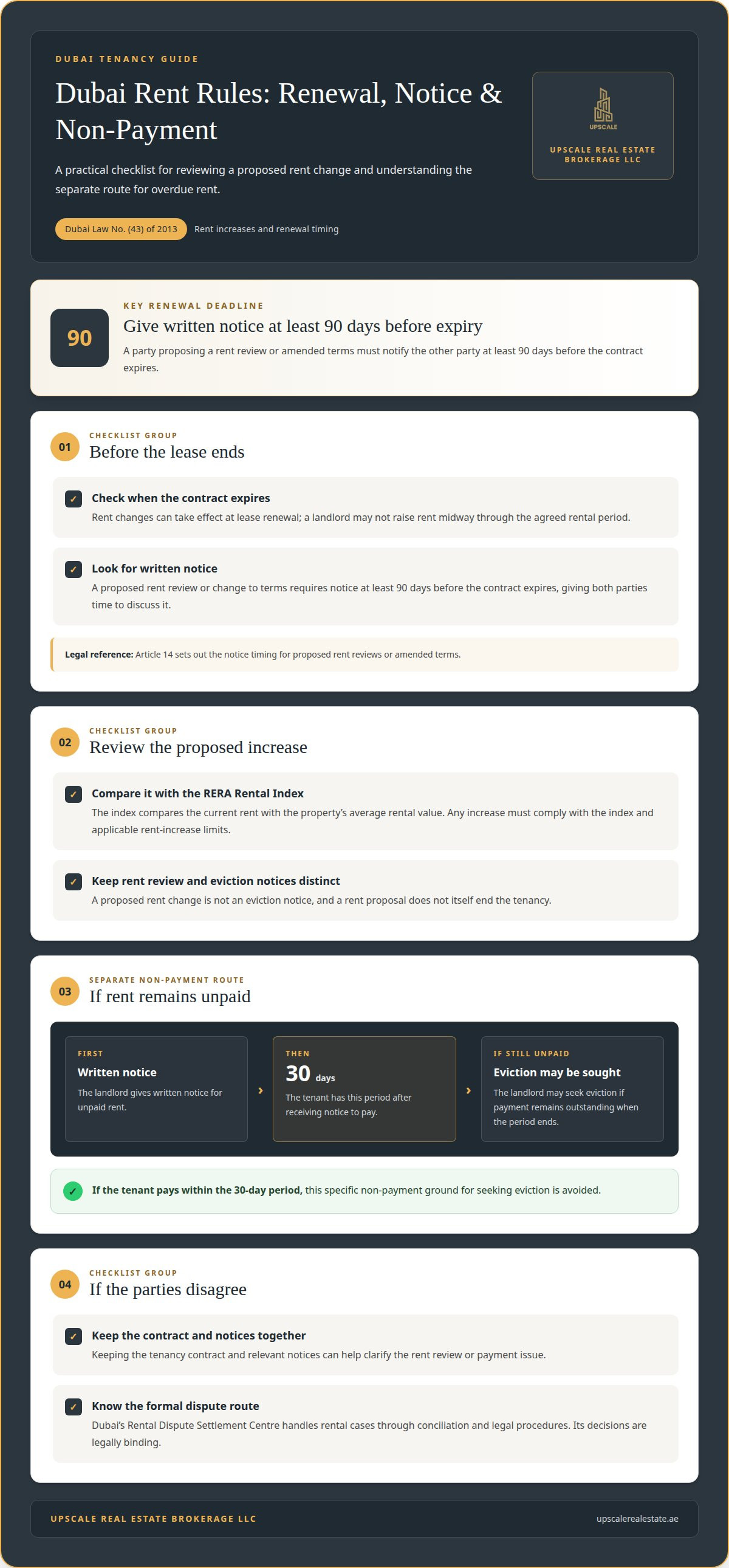
3- What are the new rent rules in Dubai?
Dubai Law No. (43) of 2013 governs rent increases, while renewal timing shapes when proposed changes take effect. A landlord may raise rent only at lease renewal, not midway through the agreed rental period. Under Article 14, a party proposing a rent review or amended terms must notify the other party at least 90 days before the contract expires. This written notice gives both parties time to discuss the proposed terms.
Any rent increase must comply with the RERA Rental Index and applicable rent-increase limits. The index compares the current rent with the property’s average rental value. When reviewing a proposed increase, tenants should distinguish a rent-change notice from an eviction notice: they serve different purposes, and a rent proposal does not itself end the tenancy. If the parties disagree, keeping the notice and contract details can help clarify the issue.
Non-payment follows a separate eviction route. According to Dubai Government, a landlord may seek eviction if the tenant fails to pay rent within 30 days of receiving written notice. The notice starts that period; the landlord’s right to seek eviction arises if payment remains outstanding when it ends. A tenant who pays within the period avoids this specific non-payment ground. The landlord cannot treat a rent discussion as a substitute for the written notice required for this process.
For other disputes, the Dubai Rental Dispute Settlement Centre handles rental cases through conciliation and legal procedures. Its decisions are legally binding. The Centre provides a formal route when landlord and tenant cannot agree on a rent review, payment issue or contract term. Keep the tenancy contract, rent notices and payment records together. These documents show what the parties agreed and when each step occurred, helping distinguish a valid rent adjustment from a disputed demand or eviction claim.
Landlord maintenance and repair responsibilities
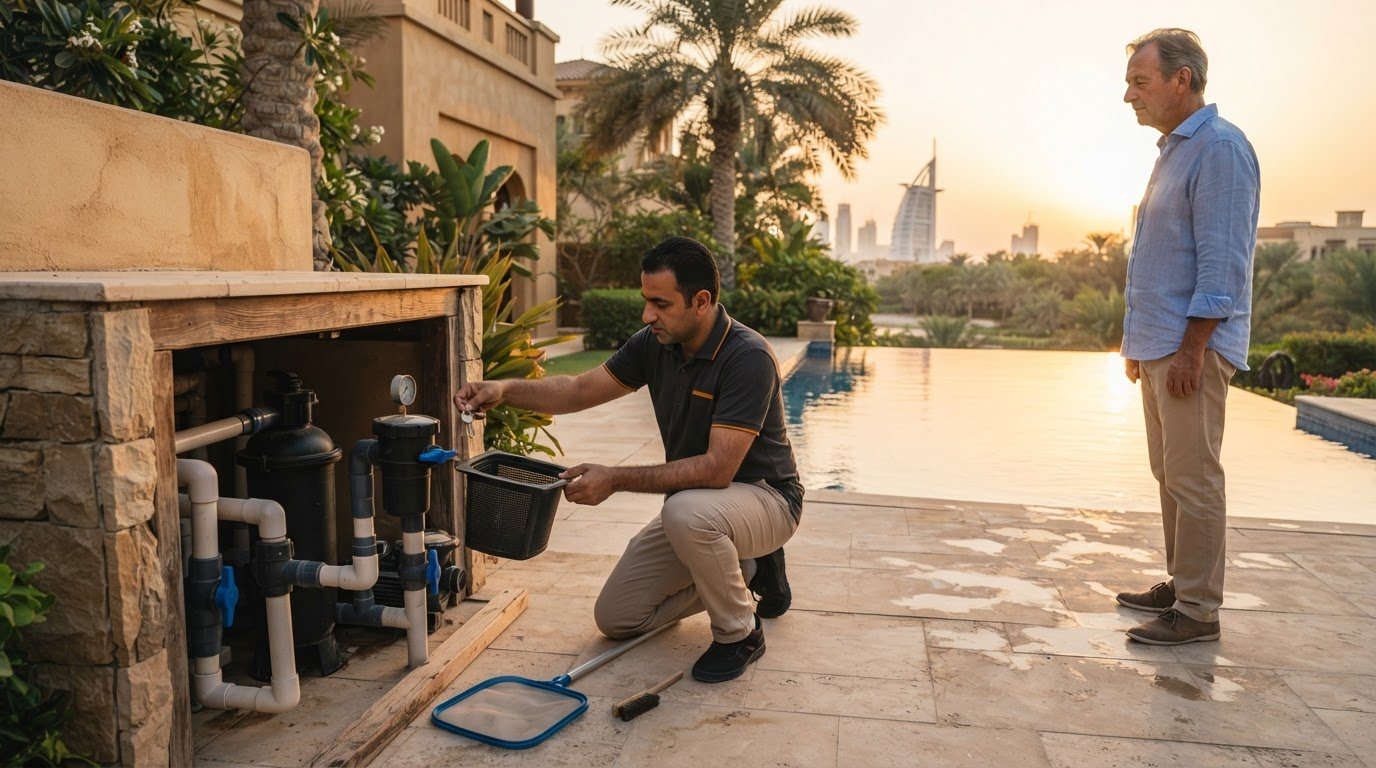
Under Law 26 of 2007, landlords generally handle property maintenance unless the parties agree otherwise. The tenancy agreement should distinguish major repairs from routine upkeep and explain who arranges each. A failed water pump or serious electrical fault differs from a loose cabinet handle. Clear terms help property owners understand landlord rights and responsibilities across the UAE, while helping tenants know which issues they should report or address.
Major maintenance and replacements related to normal wear and tear generally fall to the landlord. Tenants usually handle minor repairs and routine care, such as changing a light bulb or arranging AC cleaning. The contract may assign specific duties differently, so read its wording carefully. Reviewing these clauses at renewal can prevent assumptions from carrying into a new rental period. This distinction is central to understanding landlord rights and responsibilities in the UAE tenancy context.
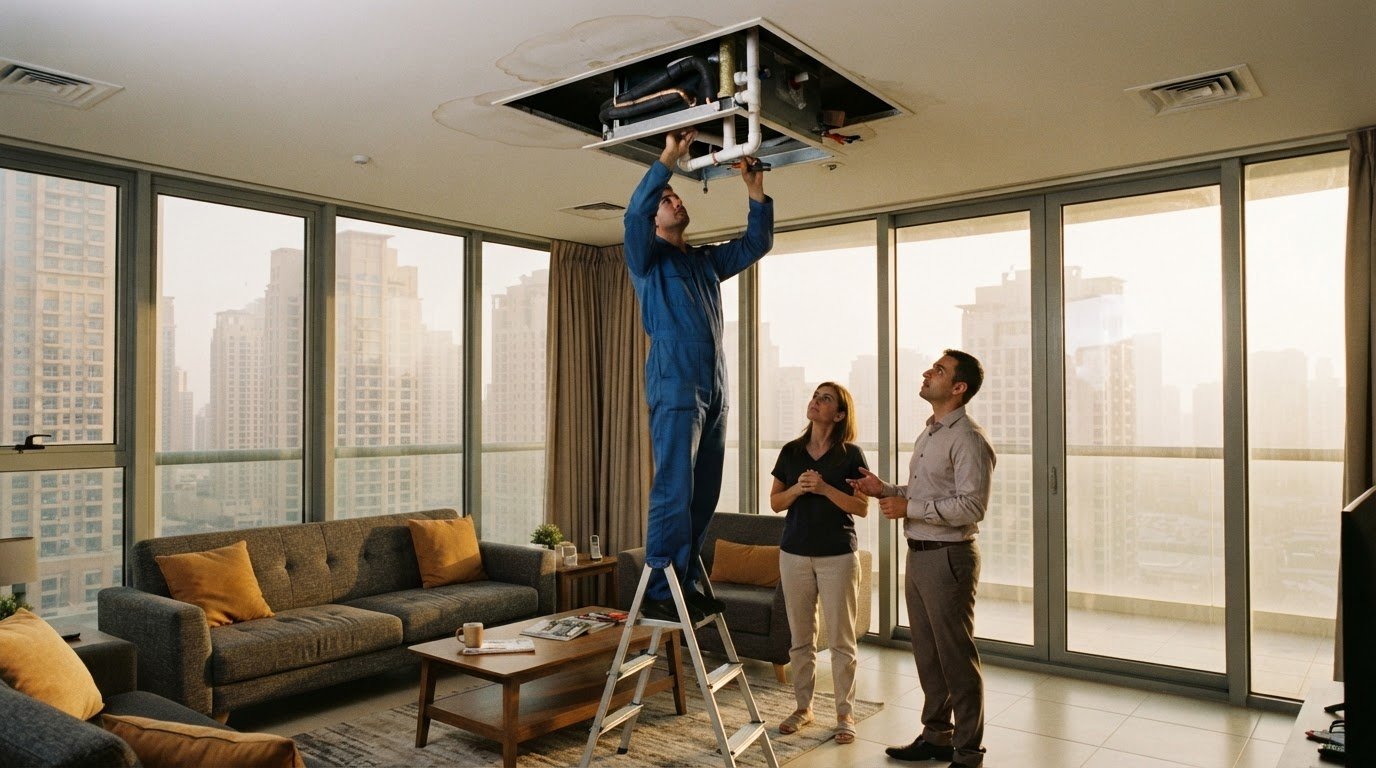
Respond promptly to faults that could affect safety or worsen property damage. A leaking pipe can damage cabinets and flooring, while an electrical fault can disrupt essential services. The landlord should arrange urgent repairs and keep essential services operational. Tenants should report issues early, describe their location and effects, and share dated photographs where useful. A written record helps track the report, response and repair work.
Not every repair relates to ordinary wear and tear. Damage caused by tenant misuse differs from a component that fails through normal use. Record the property’s condition at handover and retain repair communications. This evidence can help distinguish tenant-caused damage from maintenance obligations if the deposit is disputed. A sound repair decision considers the cause, the tenancy agreement and the documented condition.
For owners who need ongoing oversight of real estate upkeep, explore property management to support maintenance coordination throughout rental periods.
Upscale Real Estate Brokerage
Upscale Real Estate Brokerage LLC supports property owners and tenants with rental and sales decisions. For landlords, Property Management can help oversee property condition, coordinate maintenance and handle tenancy administration. Residential Leasing supports landlords letting a home, while Ready Property Sales and Off-Plan Project Sales suit different ownership plans.
Consider professional support when coordinating a tenancy’s practical requirements with its written terms, or when deciding whether to lease, manage or sell a property. The right approach depends on your property and objectives. Contact Upscale Real Estate Brokerage LLC to discuss your real estate needs.
Make your next property decision with clarity
A tenancy is also part of a wider property plan. How you document decisions, communicate expectations and review changing needs can shape future ownership and leasing choices. Keep this in mind as circumstances change, whether you are planning a new tenancy or considering a different direction for your property. A clear understanding of landlord rights and responsibilities in the UAE can support deliberate decisions and constructive conversations.
For guidance that connects your property goals with practical real estate decisions, speak with Upscale Real Estate Brokerage LLC. Share the context of your plans and the questions you are weighing, then discuss a suitable next step with the team.
Contact Upscale Real Estate Brokerage LLC to discuss your plans. A considered next step can help you move forward with confidence.
Frequently Asked Questions
How can landlords protect themselves from tenant disputes?
Set expectations in writing and keep a clear record of the property’s condition and tenancy communications. A signed inventory, dated handover photographs, maintenance invoices and written acknowledgements can help establish what happened and when. For example, recording a pre-existing appliance fault at handover can distinguish it from damage reported later. Organize records by tenancy so relevant documents are easy to retrieve if a disagreement develops.
What is the maintenance law in Dubai?
Dubai Law No. 26 of 2007 generally places maintenance responsibility on the landlord unless the parties agree otherwise. The tenancy agreement should clarify how that rule applies to the specific home, including who handles routine servicing and how larger faults are reported. For a recurring issue, such as an AC breakdown, record the report, inspection findings and repair work to show how responsibilities were handled.
Are there any clauses I can use to break my contract?
An early-termination clause can set out the conditions for ending a tenancy before its agreed expiry, including how notice is given and how rent is handled. Under Article 7 of Dubai Tenancy Law, a contract cannot be ended unilaterally during its term except by mutual consent or as permitted by law. Read the signed agreement closely; a general cancellation clause should not be assumed to override statutory limits.
Can landlords increase rent during the tenancy?
No. Under the Dubai rules described here, a landlord may not increase rent during the current lease term; rent changes apply at renewal. Before accepting revised terms, compare the proposed rent with the applicable RERA Rental Index and ensure the parties communicate the change within the required notice period. If the tenant and landlord disagree, written correspondence can clarify whether the proposal concerns rent, other contract terms or both.
What are RERA tenancy laws?
RERA tenancy rules operate within Dubai’s landlord-tenant legal framework; they do not replace the emirate’s rental laws. Ejari, for example, is a RERA initiative that registers and legally validates tenancy agreements. Registration gives the parties a recorded contract reference for matters such as rent, occupancy and agreed terms. Keep the registered agreement with any amendments so the documents reflect the current arrangement.
What are my rights as a Dubai landlord?
A Dubai landlord can receive rent under the tenancy agreement, require the tenant to meet agreed obligations and seek eviction where the law permits. Those rights come with duties to maintain the property and respect the tenant’s privacy. For example, a landlord can document unpaid rent or damage and pursue the relevant legal process, rather than changing locks or interrupting utilities during an ongoing tenancy.